SHARE IDEAS
letting ideas flow within a team is essential, not only to keep relationships strong but also to give the other members constant food for thought.

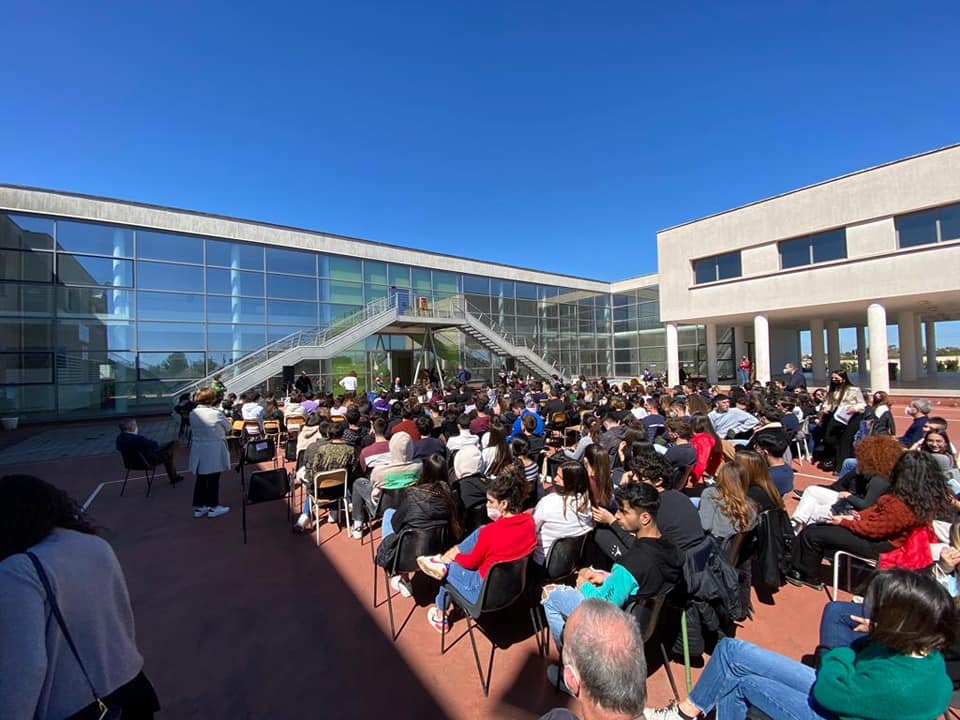
Weave · Social impact · Innovate to stay
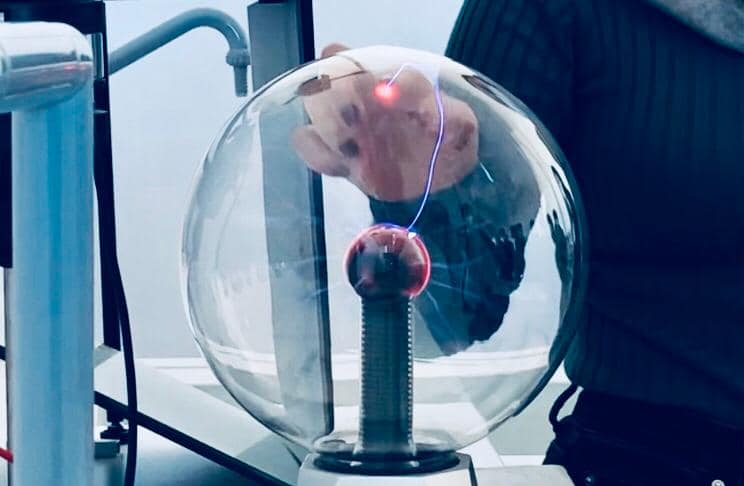
Every reflection on gender equality takes stock of how far we have come and how far we still have to go to fully reach some milestones that are crucial for global development.
Guaranteeing women equal opportunities and equal access to resources is therefore not only a matter of social justice but an essential goal for global economic development itself, in line with Goal 5 of the 2030 Agenda.
Overall figures, however, show that there is still a long way to go. A recent World Economic Forum estimate says it will take about 145.5 years to reach gender parity in political empowerment and 267.6 years for fair participation in economic opportunity. Things look better in access to education, where the gender gap has almost closed: more than 50% of university and master’s graduates are women. But that is not enough yet: the last mile, the decisive one, is still ahead.
In most countries the number of women enrolled at university is growing. While women are well represented in fields such as the humanities and social sciences, the arts and media, a significant gender gap remains in STEM (Science, Technology, Engineering & Mathematics). It is a phenomenon that must not be ignored, and on the basis of these analyses the United Nations established 11 February as the “International Day of Women and Girls in Science”.
According to the latest UNESCO report, women make up only 40% of computer science graduates and 28% of engineering graduates. The latest OECD PISA survey (which measures the learning of 15-year-old students in more than 60 countries) confirms it: in over half of the countries involved, fewer than 2% of girls expect to work in engineering or computing; in Italy in particular, only one girl in eight wants a career in science, despite achieving excellent results in these subjects.
This trend does not come only from individual preferences: as several studies have shown, it often stems from a deeply rooted gender stereotype, the supposed inability of women in logic and mathematics. This bias has a significant impact on the education gap and, of course, on girls’ self-esteem. Empowering women therefore means, on the one hand, uprooting the cultural source of this gender bias and, on the other, closing the education gap it creates, preventing its later effects on work and careers.
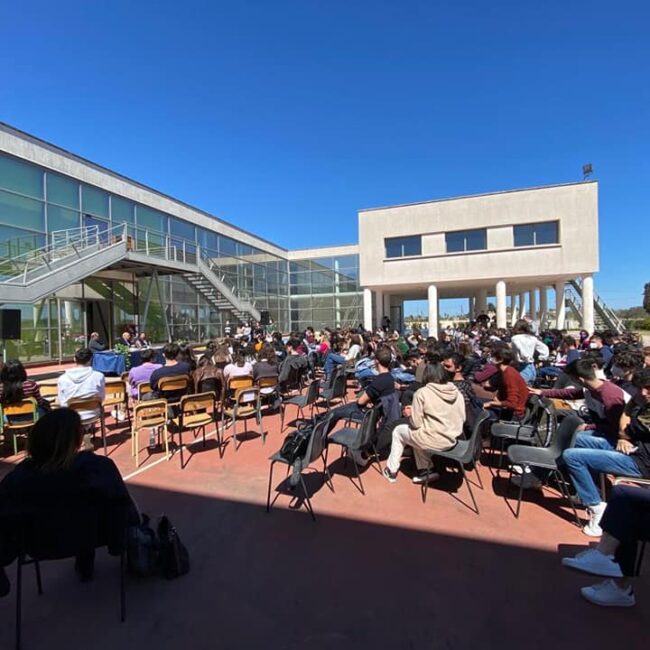
Digitalisation and the constant changes in the world of work show every day that technical skills are not enough without so-called soft skills. Soft skills are the set of interpersonal and behavioural abilities each person has. Listening, teamwork, empathy and problem solving are some of the attitudes shaped by upbringing, experience and the environment in which people grew up and were trained.
They are usually set against technical skills (hard skills), which are practical abilities learned through study or specialised training. In this respect, tech skills are among the most sought-after because digital tools now pervade every profession. Contrary to what one might think, soft skills should not be set against technical ones: only by combining the two is it possible not just to improve productivity but to work well as a team.
Teamwork doubles the satisfaction and halves the effort: with this philosophy many companies encourage group projects in which each member can make their own specific contribution.
To reach the results the whole team shares, everyone should commit to:
letting ideas flow within a team is essential, not only to keep relationships strong but also to give the other members constant food for thought.
a sound way of communicating avoids misunderstandings and makes the most of shared time and resources. This matters even more when some “teammates” do not share the same office: regular video calls to align on the project’s progress are a great way to involve remote workers too.
even though each person is given different tasks within a project, a spirit of cooperation must define the team: only then can it reach the goals it hopes for.
In a constantly changing workplace, as at school or university, the ability to work in a team is not just a transferable skill but – often – a necessity for both team members and team leaders.
On the one hand, participants need not only flexibility but also a cooperative instinct and empathy to build relationships. Openness and the ability to state problems clearly are two further skills that prove especially valuable in a shared project.
For managers and educators, on the other hand, the most useful soft skills are open-mindedness, self-confidence, the willingness to delegate and critical thinking, which must – always – go hand in hand. This way every team leader can motivate and bring out the best in each member of the group, both professionally and emotionally.
Emotional intelligence deserves a separate mention: it is a capacity for empathy and for sharing situations that lets people connect directly with others. It is therefore essential that every team member works on their emotional intelligence, nurturing relationships with teammates and sharing team-building moments.
Collaborative teamwork brings concrete benefits not only to relationships but also to productivity. Managers who rely on soft skills listen to every team member and can make the right final decision while staying focused on service and remaining collaborative.
In particular, the benefits of collaborative teamwork are:
when several people work well on the same project, delivery times can be cut significantly.
having several points of view on the same subject leads to a complete, many-sided project.
when a team member is struggling or going through a moment of discouragement, it is essential that the others – drawing on their emotional intelligence – can support them properly.
In conclusion, transferable skills can make the difference within a team. Problem solving and empathy in particular are powerful tools that keep the team going until it reaches its shared goals.
 Places · community · rootsMelpignano
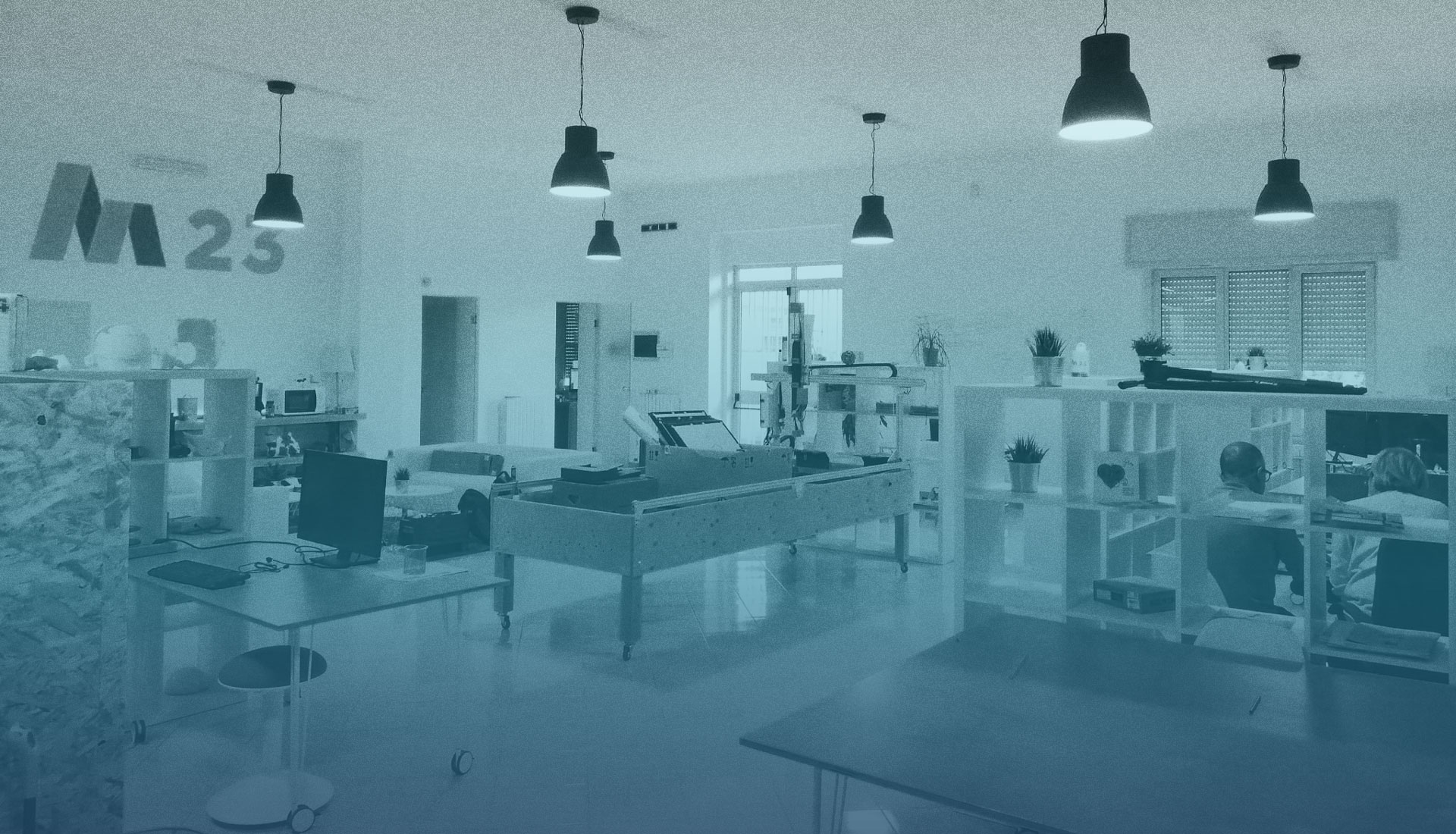 Space · work · ideasM23 Coworking
 Learning · future · young peopleAcademy
 Network · youth · actionPuglia Galattica